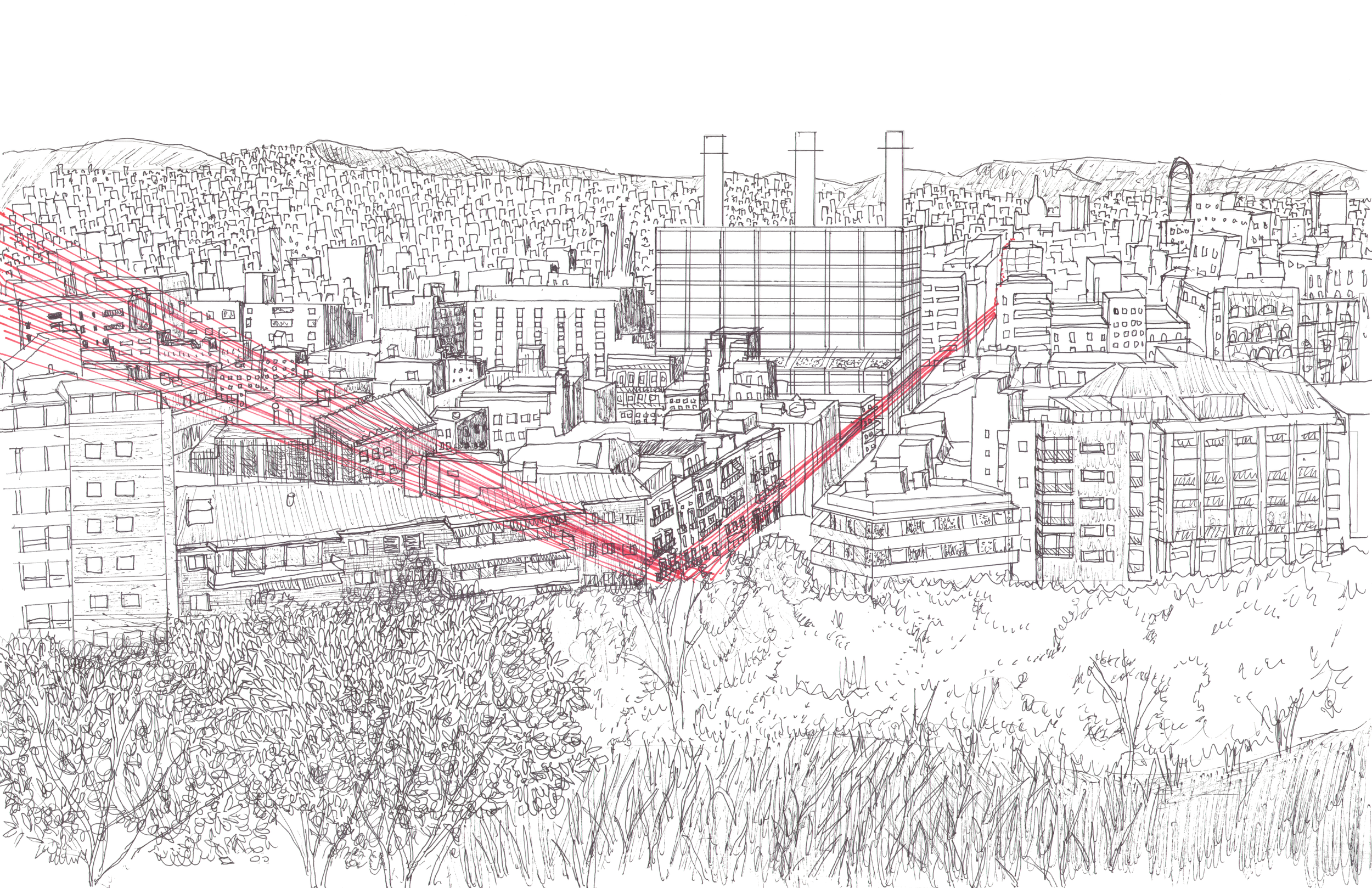
Envisioning Erasure
A shared historic heritage of Barcelona
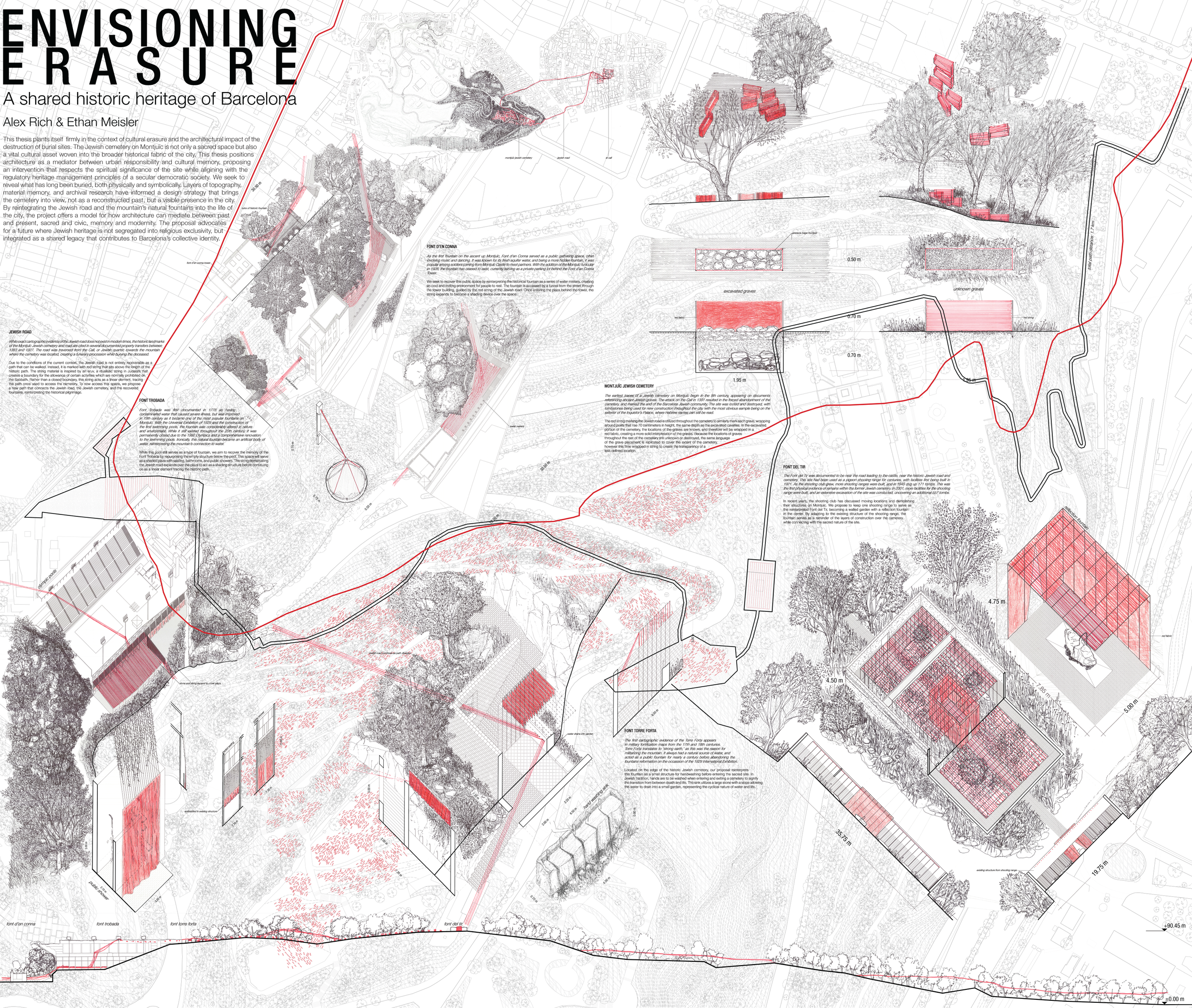
This thesis plants itself firmly in the context of cultural erasure and the architectural impact of the destruction of burial sites. Drawing on previous research into the intersection of religious sites, archaeological history, and public space, the project challenges the prevailing narratives that prioritize solely religious frameworks over shared cultural and historic values. The Jewish cemetery on Montjuïc is not only a sacred space but also a vital cultural asset woven into the broader historical fabric of the city. Despite its religious origins, modern preservation and management must be guided by careful respectfulness as well as by public heritage law.
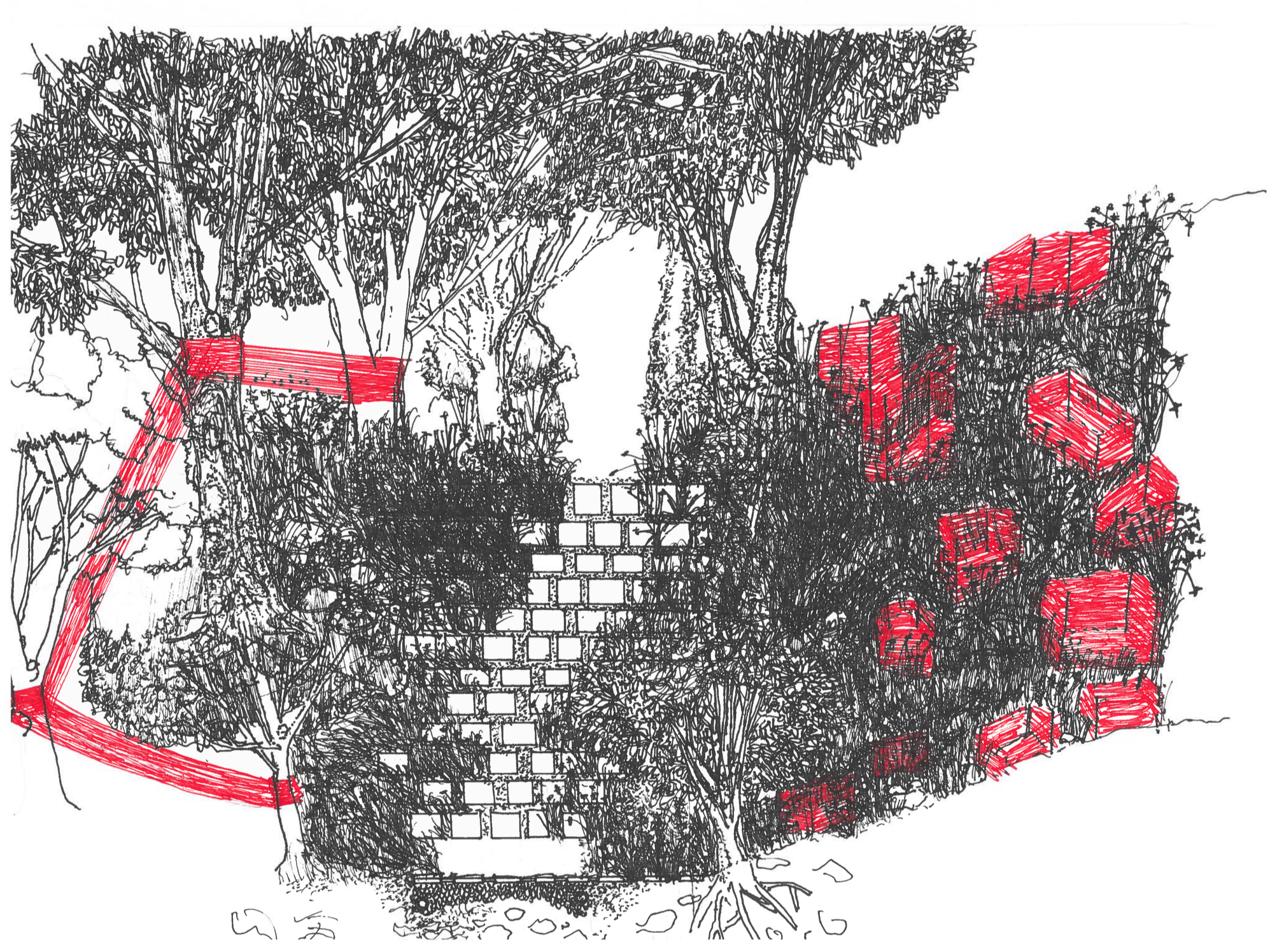
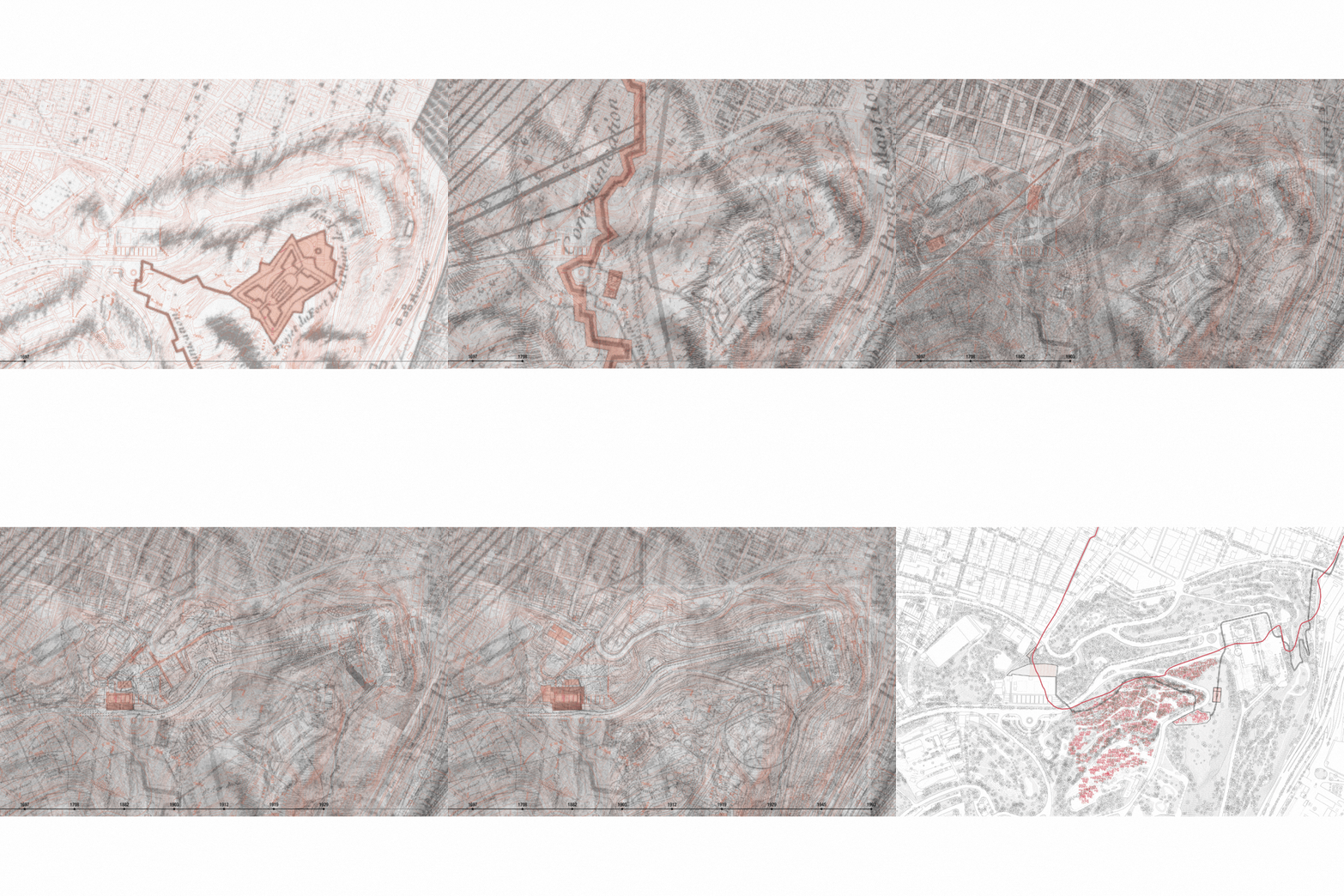
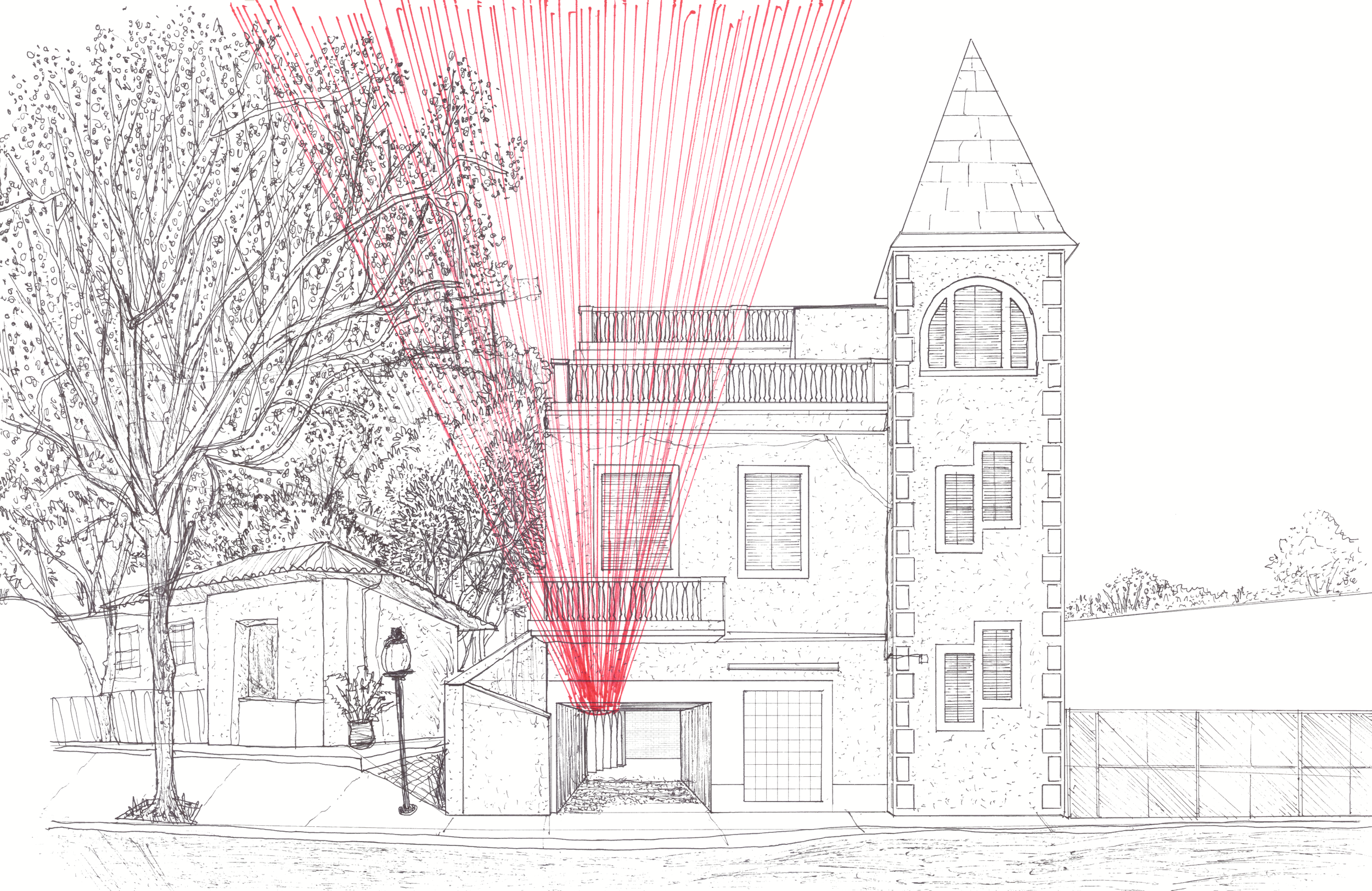
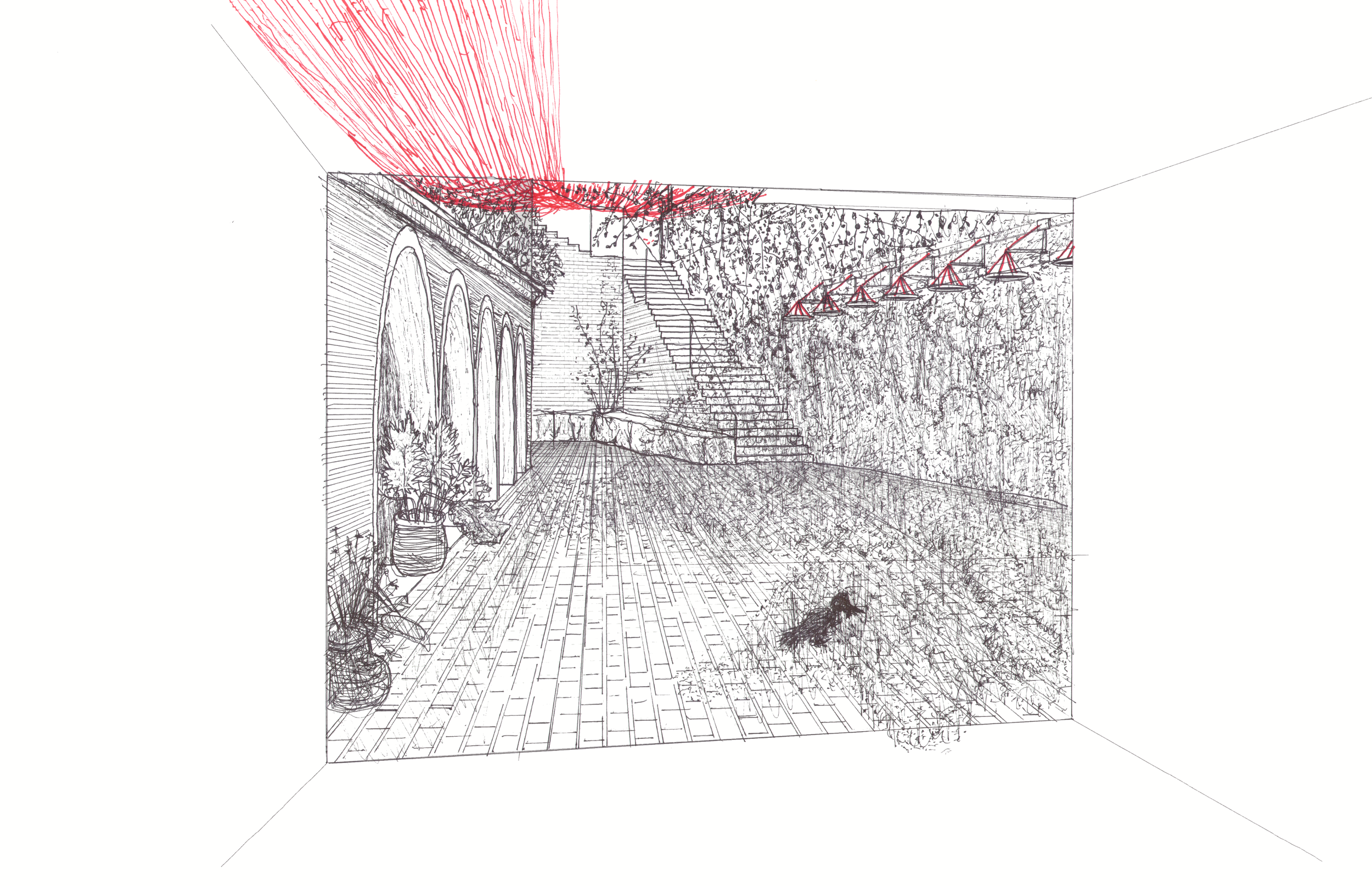
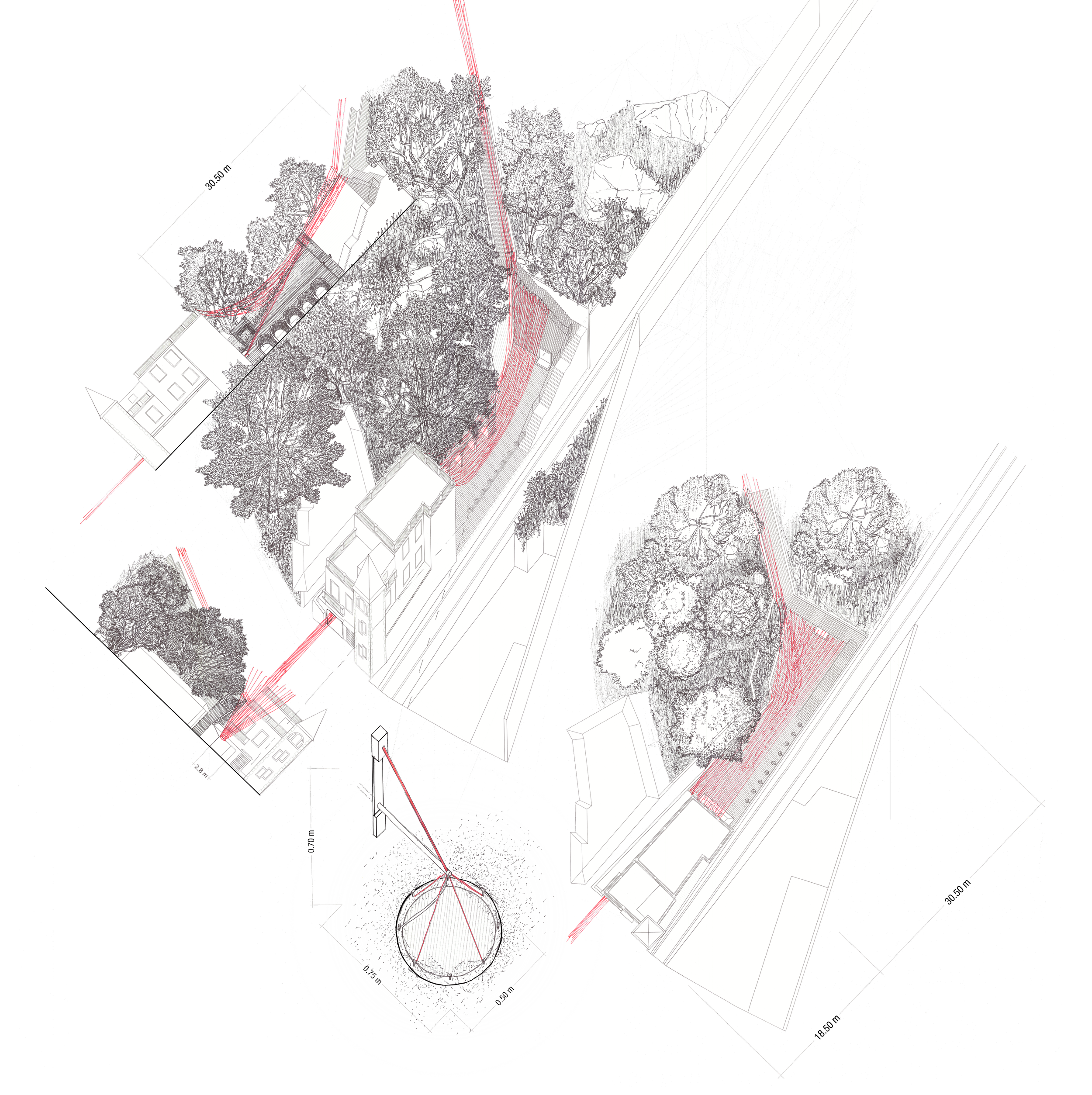
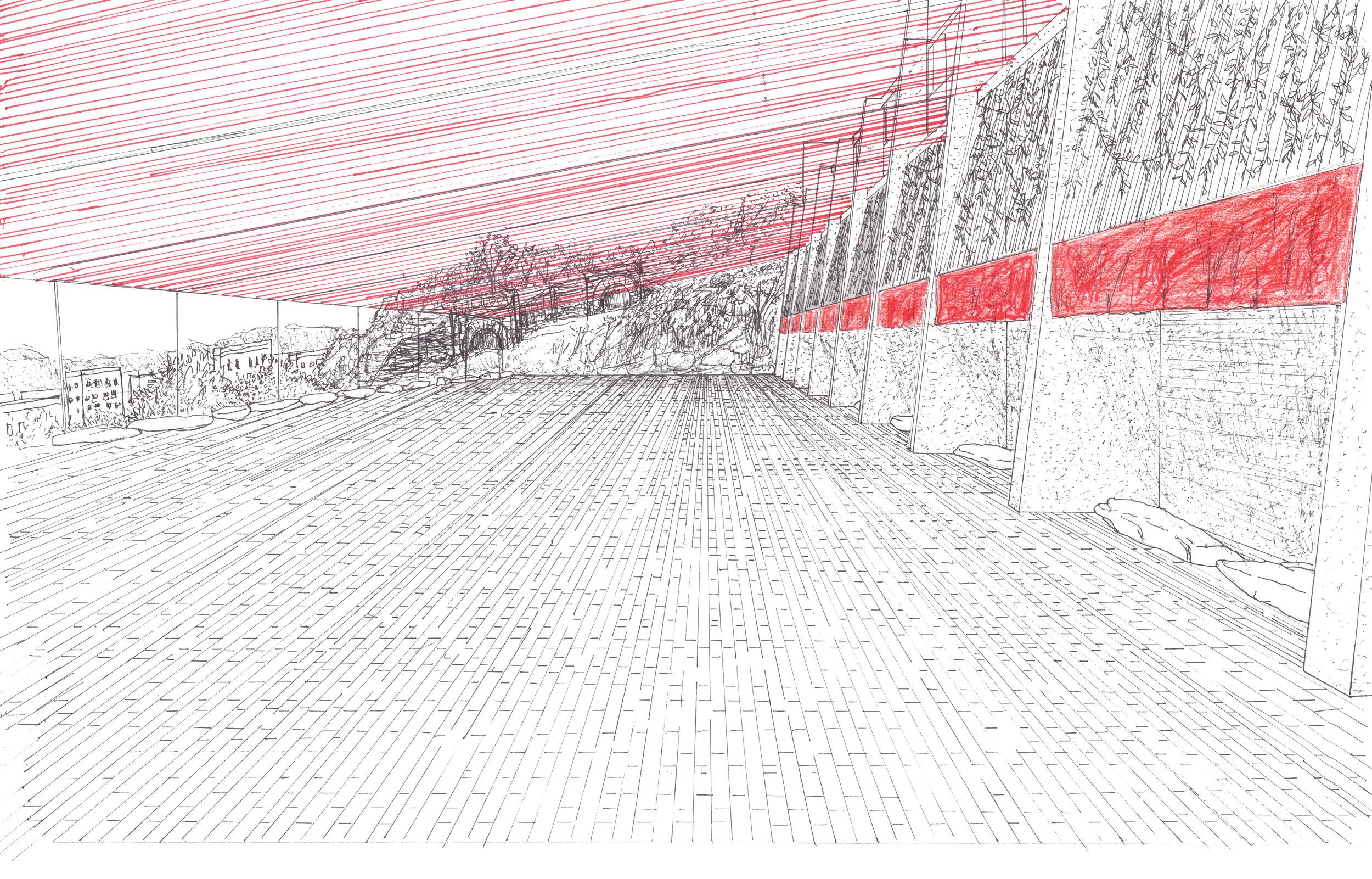
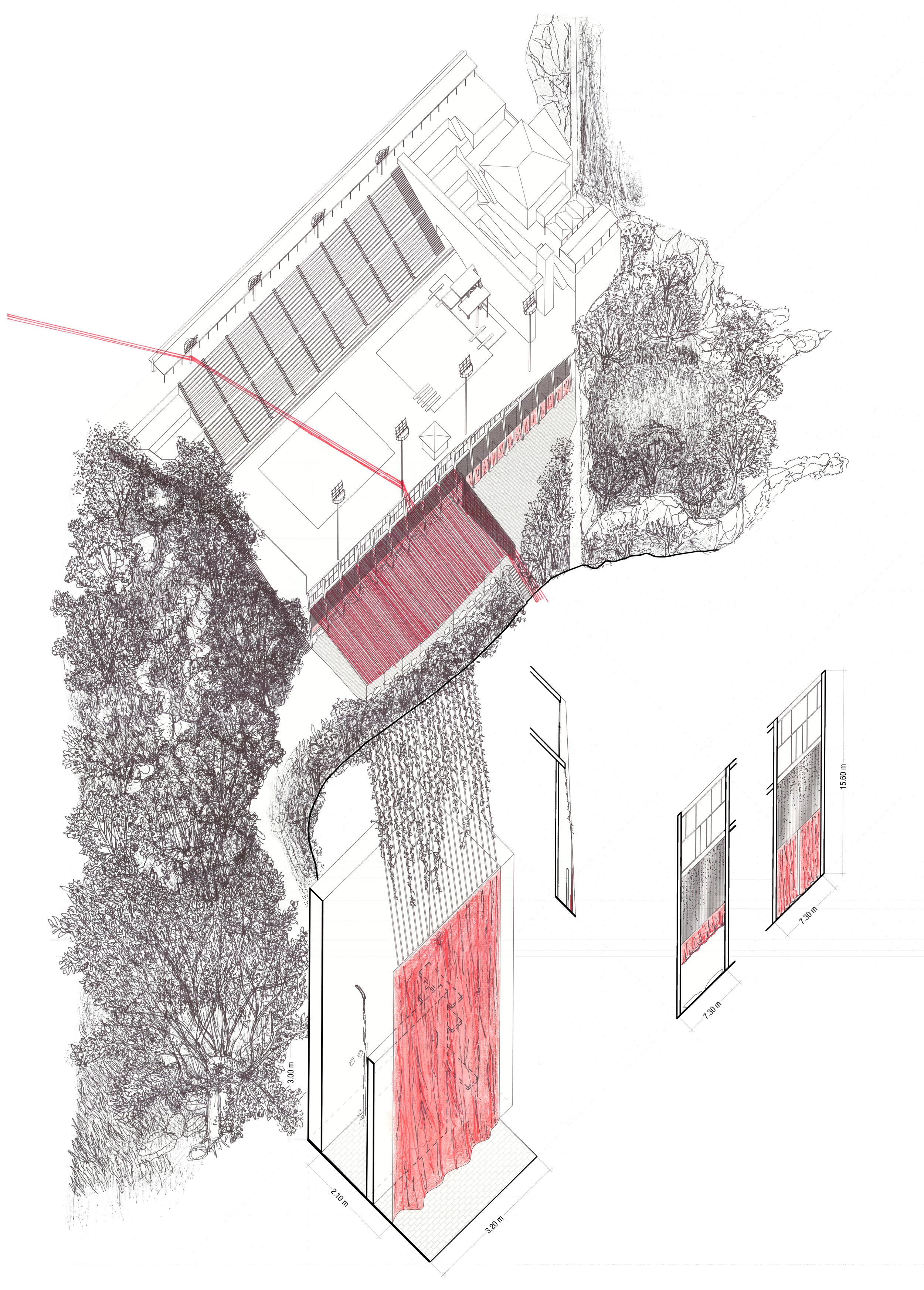
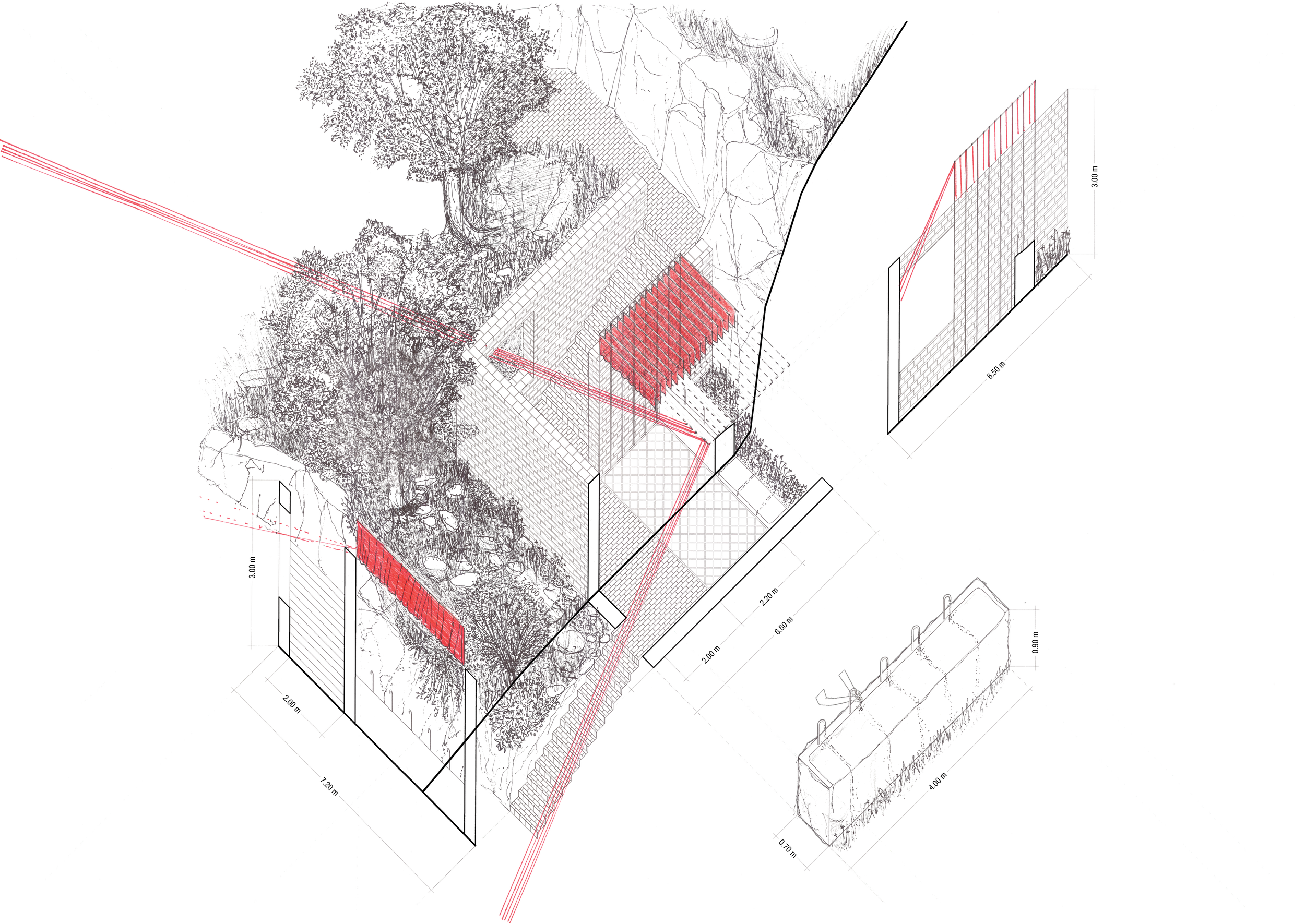
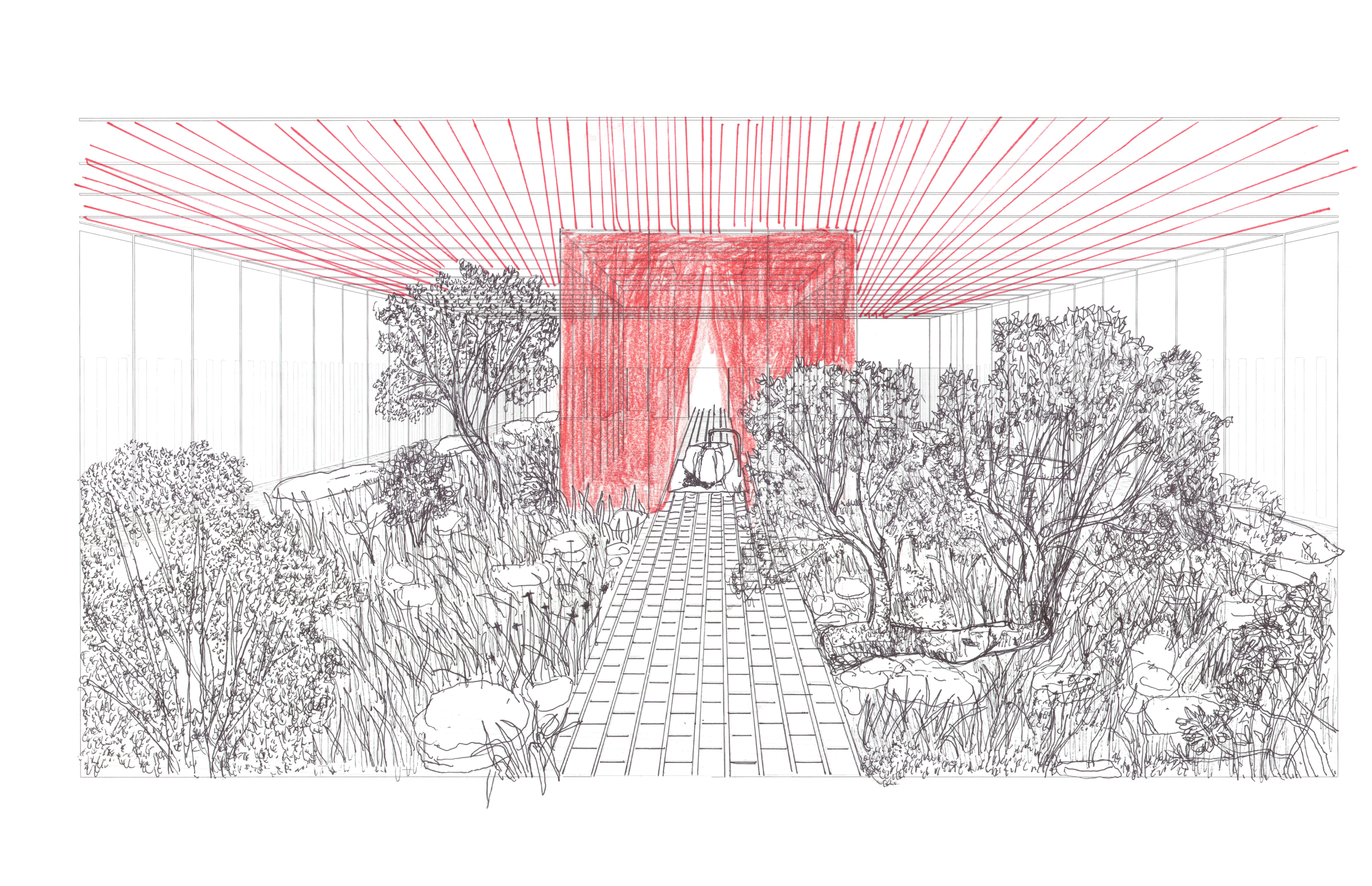
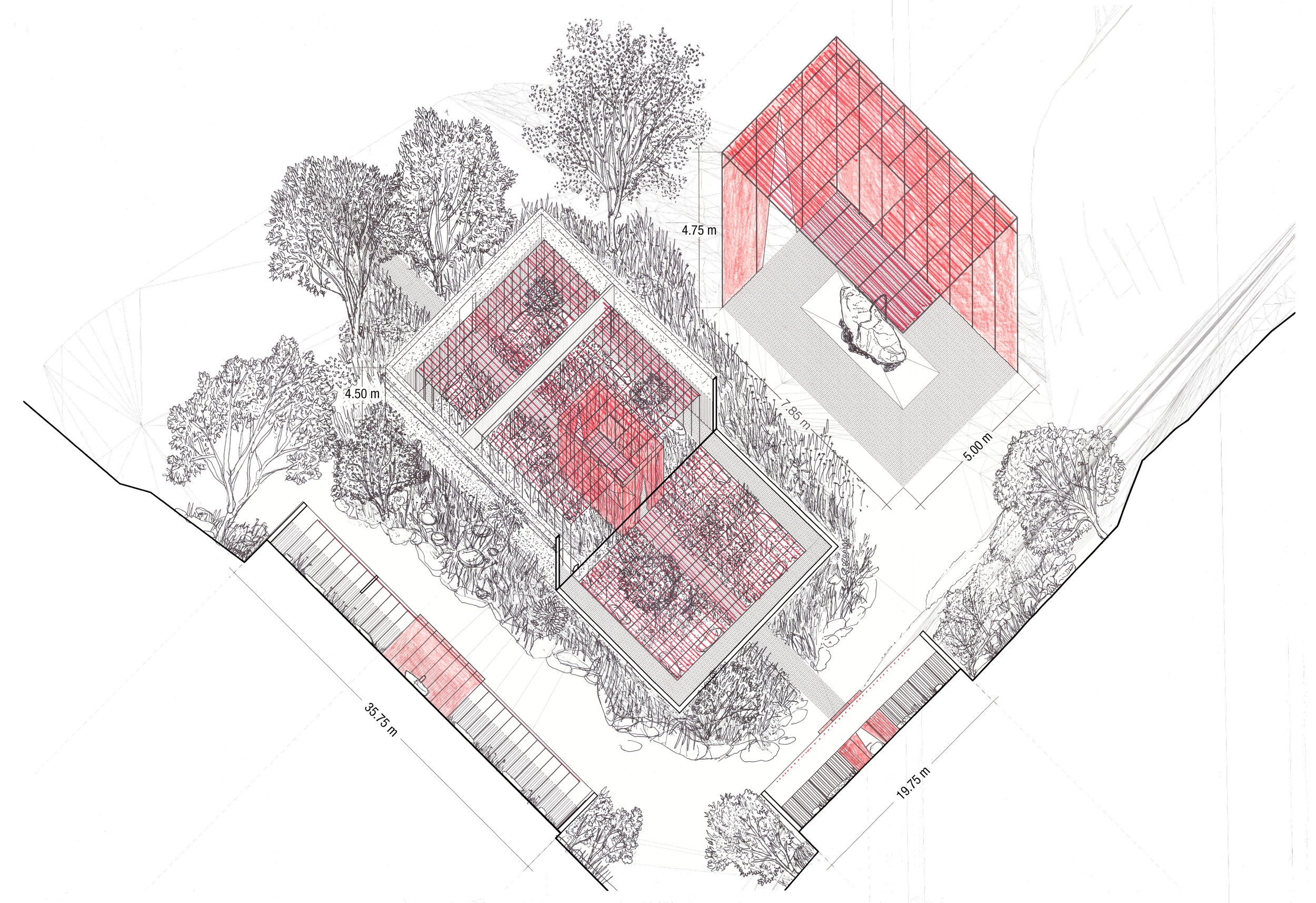
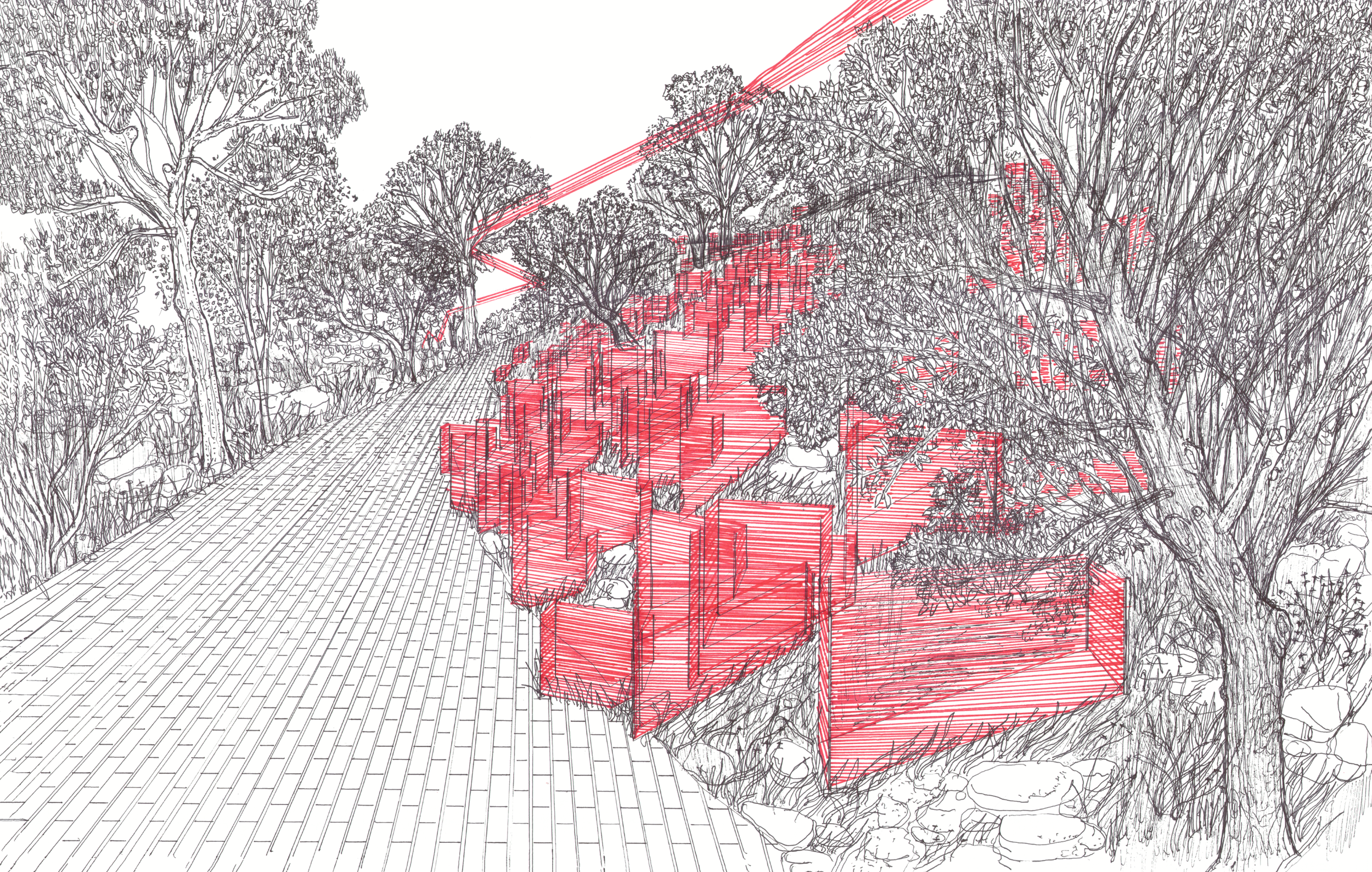
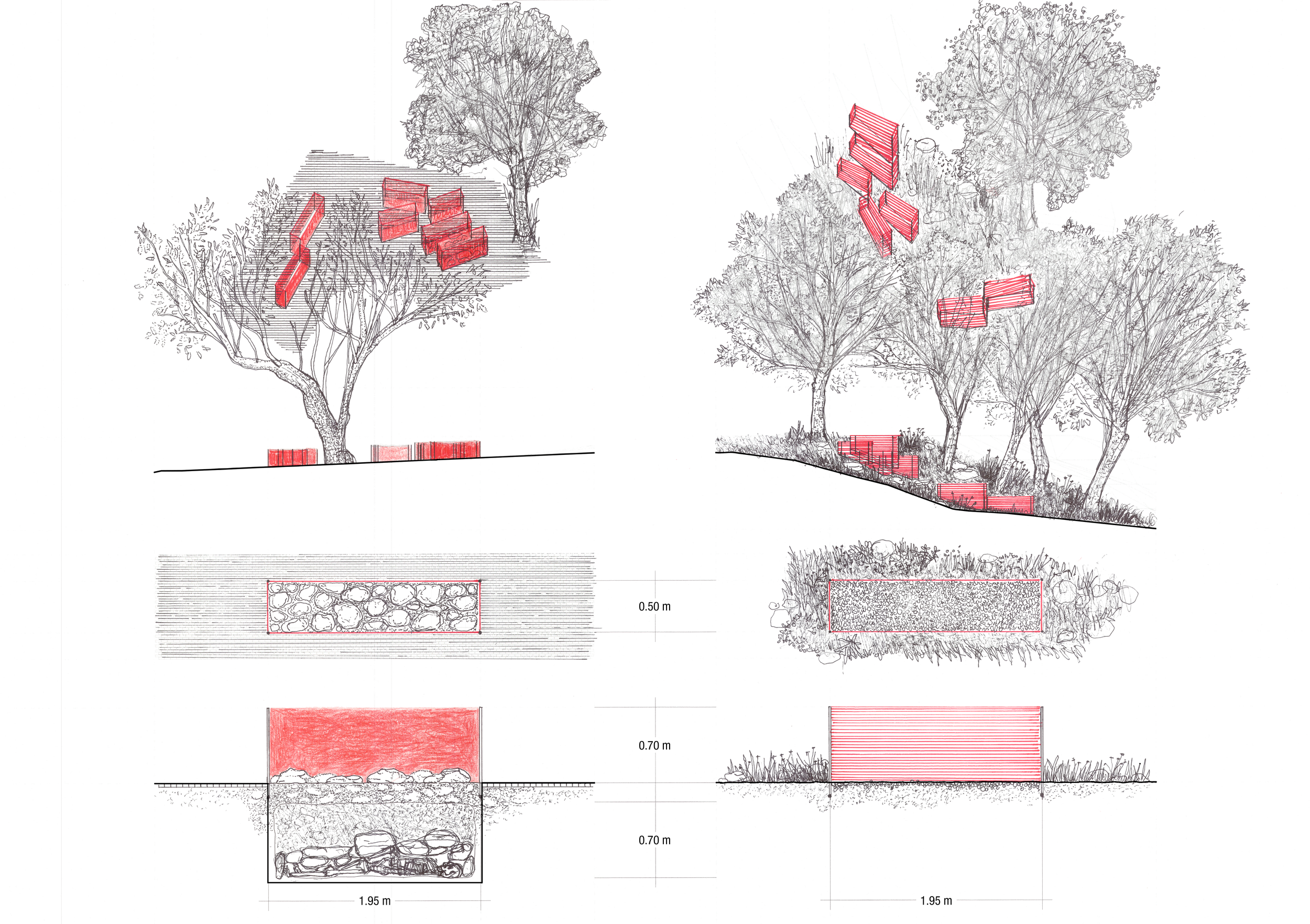
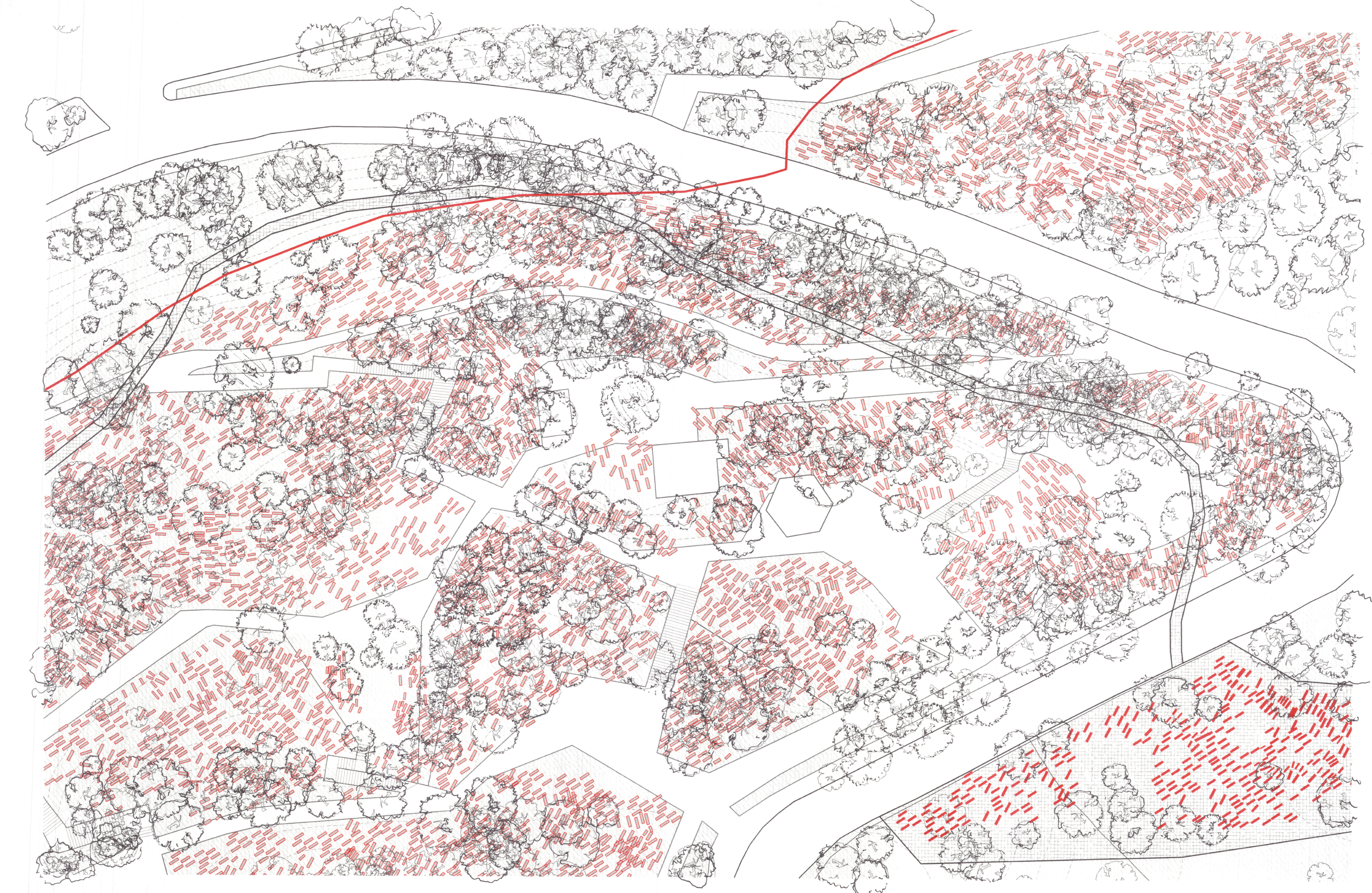
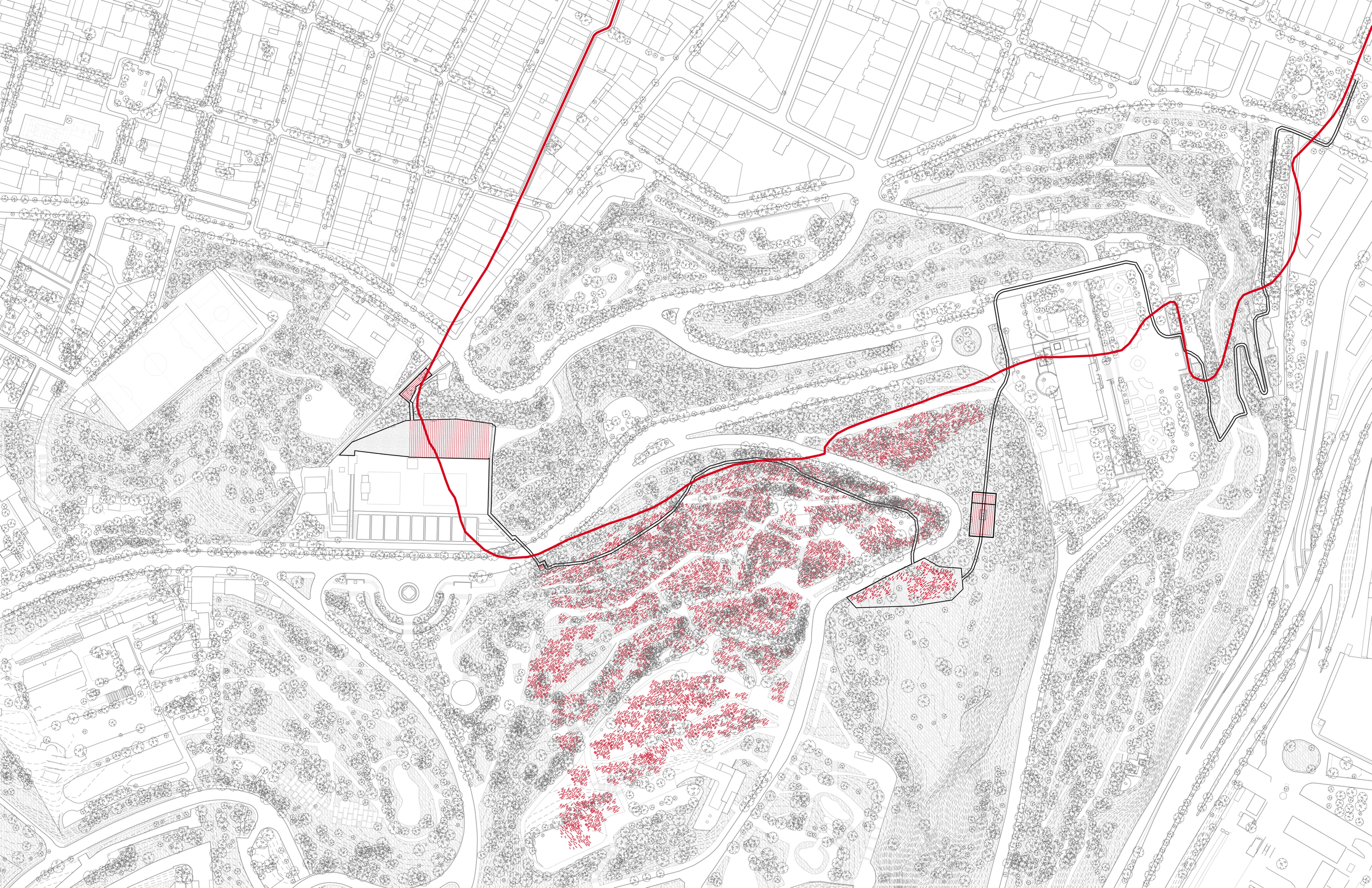
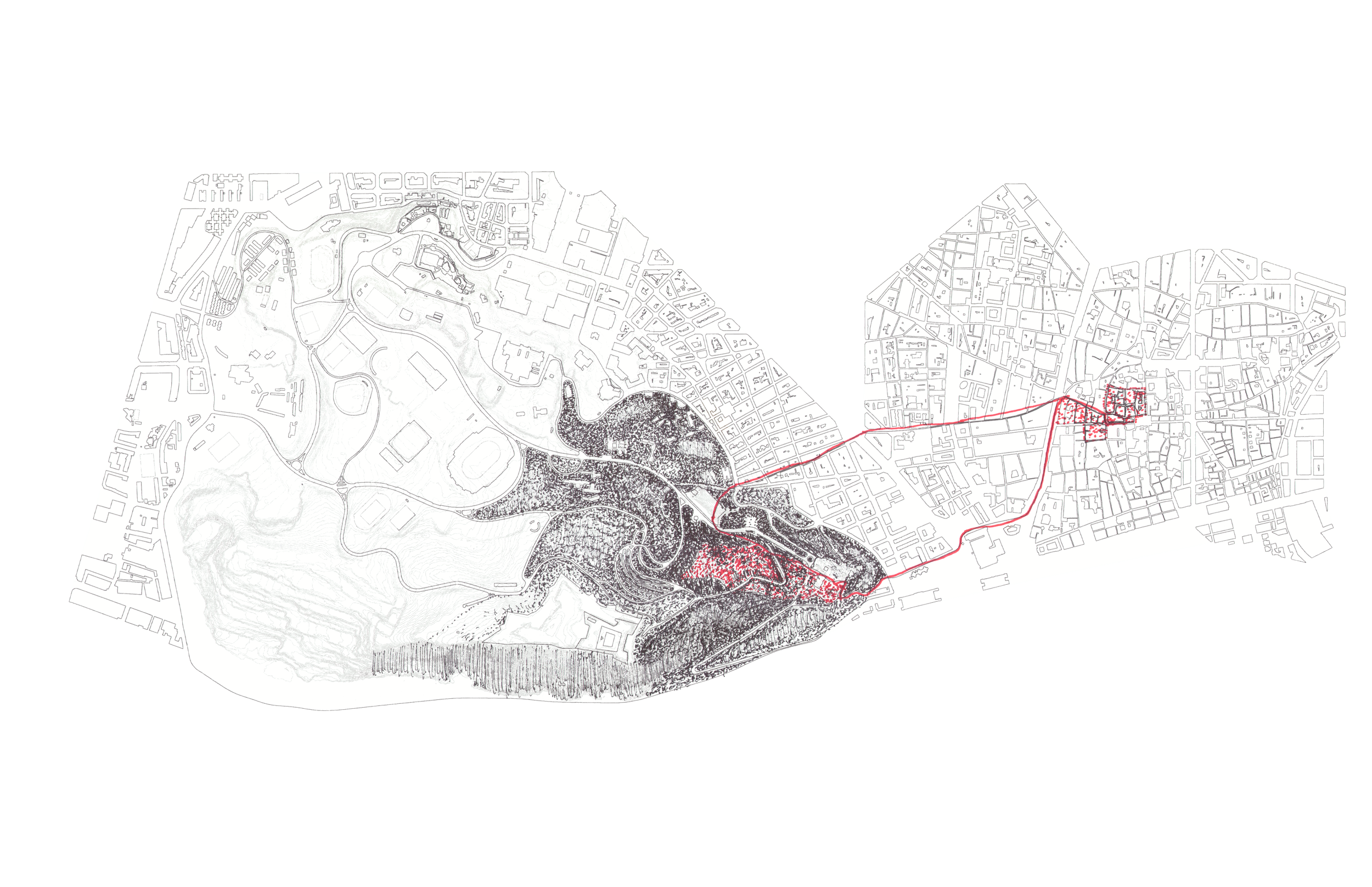
The thesis positions architecture as a mediator between urban responsibility and cultural memory, proposing an intervention that respects the spiritual significance of the site while aligning with the regulatory heritage management principles of a secular democratic society. We seek to reveal what has long been buried, both physically and symbolically. Layers of topography, material memory, and archival research have informed a design strategy that brings the cemetery into view, not as a reconstructed past, but a visible presence in the city. By reintegrating the Jewish road and the mountain’s natural fountains into the life of the city, the project offers a model for how architecture can mediate between past and present, sacred and civic, memory and modernity. The proposal advocates for a future where Jewish heritage is not segregated into religious exclusivity, but is integrated as a shared legacy that contributes to Barcelona’s collective identity.
Thesis Studio, 2025
Partner: Alex Rich